Coffee Maker Embroidery Pattern DST PES Review
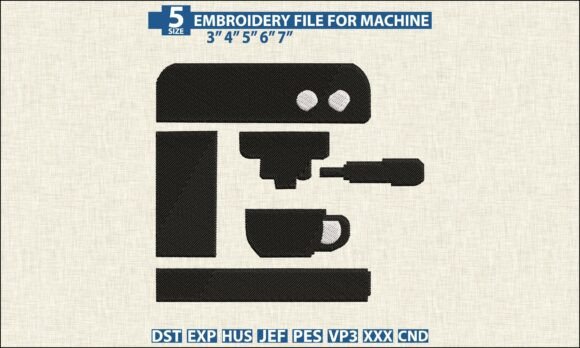
As I set up my table for the upcoming weekend craft fair, I am surrounded by stacks of finished goods: linen tote bags, heavy-duty aprons, and crisp kitchen towels. My goal is always to curate a booth that feels cohesive yet exciting, where every handmade product tells a story. Today, I am putting the Coffee Maker Embroidery Pattern DST PES through its paces. This digital file promises a modern espresso machine paired with a cup, and as an experienced designer, I need to know if it translates from a screen into a tangible, sellable item that will stop shoppers in their tracks.
First Impressions: Modern Elegance Meets Daily Ritual
When I first load the Coffee Maker Embroidery Pattern DST PES into my digitizing software, the aesthetic is immediately clear. It leans heavily into a modern, clean look rather than a rustic or farmhouse vibe. The description highlights a "modern coffee machine," which suggests sleek lines and perhaps metallic thread accents to mimic chrome or stainless steel. For a craft fair setting, this is a double-edged sword. While many buyers love the cozy, vintage aesthetic, there is a growing market for minimalist, contemporary decor that fits modern apartments and urban cafes.
The design feels premium. It does not scream "funny gift" but rather whispers "quality barista gear." This distinction is crucial for pricing. If the stitch work holds up, this machine embroidery design can command a higher price point on items like custom aprons or high-end tea towels. It appeals to the serious coffee lover who appreciates the art of brewing, making it a strong contender for a boutique maker's collection.
Evaluating Product Applications for Maximum Sales
In a busy market environment, visibility is everything. I have tested how the Coffee Maker Embroidery Pattern DST PES performs across various substrates to determine where it shines brightest.
Tote Bags and Market Carriers
For a tote bag design, this pattern works exceptionally well as a focal point. A large-scale application on a sturdy canvas tote allows the details of the espresso machine to pop. Shoppers at craft fairs often look for practical gifts, and a stylish coffee-themed bag is a universal winner. However, ensure the hoop size accommodates the full width of the machine without cutting off the steam wand or the cup handle. A truncated image looks unprofessional and lowers perceived value.
Apron Embroidery and Barista Apparel
This is arguably the strongest use case. An apron embroidery featuring a high-quality espresso maker speaks directly to home baristas and professional cafe staff. The placement should be centered on the bib or slightly off-center on the pocket. Because aprons are often made of heavier cotton or twill, the stitch density must be managed carefully to prevent puckering. If executed correctly, this transforms a standard garment into a statement piece of commercial embroidery that customers will want to wear with pride.
Tea Towel Embroidery and Kitchen Decor
Although the product category lists Tea, this design is undeniably coffee-centric. For tea towel embroidery, the texture of the fabric is a challenge. Terry cloth loops can sometimes interfere with fine details. I recommend using a cutaway stabilizer to keep the stitches flat. The modern aesthetic of the Coffee Maker Embroidery Pattern DST PES pairs beautifully with neutral-colored towels—think oatmeal, charcoal, or sage green—creating a sophisticated look that elevates any kitchen counter.
Patches and Caps
Creating an embroidered patch from this file is a smart way to diversify inventory. Patches are low-cost, high-margin items perfect for impulse buys. On caps, however, caution is needed. Curved surfaces distort images, and the intricate details of a modern machine might get lost on a small cap panel. Stick to larger sizes or simplify the design for headwear to maintain clarity.
Production Realities: What Every Designer Must Know
Before you rush to produce a batch of products for your Etsy shop or physical booth, you must address the technical realities of this digital embroidery file. High-quality designs often come with complex stitch structures that require careful handling.
Stitch Density and Fabric Texture
A modern coffee machine implies smooth gradients and solid fills. If the Coffee Maker Embroidery Pattern DST PES has dense stitch areas, it can cause significant puckering on lightweight fabrics like silk or thin cotton. Always test the design on scrap fabric first. Check the thread colors to ensure they contrast well against your chosen background. A dark grey machine on a black apron will disappear; opt for metallics or bright whites to make the design stand out.
Hoop Size and Stabilizer Choice
Verify the required hoop size before purchasing materials. If the design is large, you cannot force it into a 4x4 hoop without distorting the aspect ratio. Furthermore, the type of stabilizer is non-negotiable. For textured items like towels or thick canvas totes, a tear-away stabilizer may leave residue or fail to support the weight of the stitches. Use a medium-weight cutaway stabilizer to ensure the finished product lies flat and durable.
Clarity at Small Sizes
One common pitfall with detailed machinery designs is scaling them down too far. Tiny lettering or minute details on the coffee machine's buttons will blur into a mess of thread knots if reduced below a certain threshold. Keep the design as a large accent or a central feature. Do not attempt to use this as a tiny logo on a button or a coin purse unless you are willing to accept a loss of definition.
Strategic Selling and Brand Consistency
For the Etsy seller or small shop product creator, consistency builds trust. The Coffee Maker Embroidery Pattern DST PES offers a specific mood: modern, caffeinated, and chic. To maximize sales, group these items together in your booth display. Create a "Barista Corner" with matching aprons, towels, and totes. This visual grouping increases the average order value as customers see a complete lifestyle solution.
Photography is equally important. When creating printable mockups or taking photos of your finished product, ensure the lighting highlights the sheen of the thread. Show the texture of the fabric and the crispness of the stitches. Customers buying online cannot touch the item, so your images must convey the quality of the embroidery file execution.
Final Checklist for Craft Fair Success
Before you finalize your production run, run through this quick checklist:
- Test Stitch Out: Run the design on the exact fabric you plan to sell.
- Check Licensing: Confirm the commercial terms of the Coffee Maker Embroidery Pattern DST PES. Ensure you are allowed to sell the finished goods at a craft fair or on Etsy.
- Review Thread Tension: Adjust your machine to prevent birdnesting, especially in dense fill areas.
- Create Mockups: Have at least one real sample ready to show potential wholesale buyers.
- Assess Color Contrast: Ensure the design pops against the fabric color.
In conclusion, the Coffee Maker Embroidery Pattern DST PES is a versatile asset for the creative entrepreneur. It bridges the gap between functional kitchenware and stylish decor. By respecting the technical requirements of the machine embroidery design and presenting it on the right products, you can create a standout line of craft fair products that resonates with coffee enthusiasts everywhere. Whether you are selling a single embroidered patch or a full range of barista apparel, attention to detail in production will ultimately define your brand's success.