Beach Surf Embroidery Design Review
As a designer who has spent years testing machine embroidery designs for both personal projects and client work, I approach every new digital file with a mix of excitement and skepticism. The market is flooded with generic patterns that look great in a preview but fall apart under the needle. When I first opened the Beach Surf Embroidery Design, my immediate goal was to determine if it could survive the transition from a screen mockup to a tangible, high-quality finished product. This isn't just about whether the image looks cool; it is about how the surfboard and palm tree elements translate into thread, how the typography holds up on different fabrics, and whether this design can genuinely elevate a small business's catalog.
First Impressions: Mood and Visual Weight
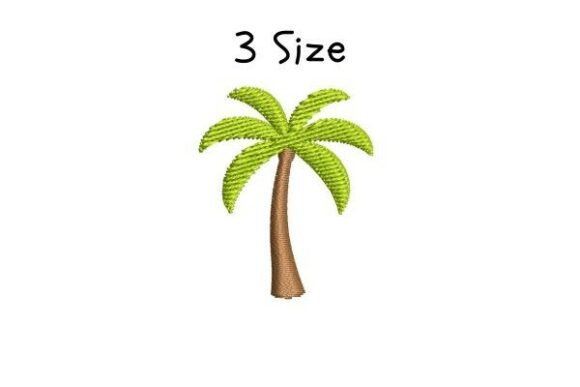
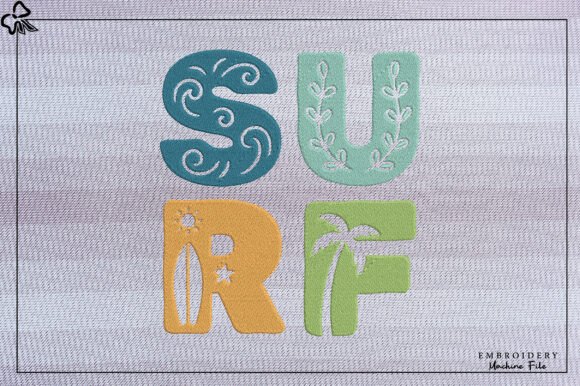
The initial visual impact of the Beach Surf Embroidery Design is undeniably vibrant. It captures the essence of Summer without feeling cliché. The composition balances the dynamic curve of the surfboard with the organic lines of the palm tree, creating a layout that feels balanced rather than cluttered. For a designer, this balance is crucial because it suggests the stitch density will be manageable. If the layout were too tight, the fill stitches might bunch up, causing puckering on lighter fabrics. Here, the negative space seems intentional, allowing the machine embroidery design to breathe. The typography integrated into the piece adds a modern touch, suggesting this file works well as a standalone statement or as part of a larger branding suite for a boutique shop.
However, visual appeal on a monitor does not guarantee success on fabric. My primary concern with tropical themes is often the complexity of the leaves and waves. In this specific design, the lines appear clean enough to be executed with a combination of satin stitch for outlines and fill stitch for the solid areas. This is a promising sign for durability. A well-executed embroidery project relies on these distinctions to maintain clarity after multiple washes.
Real-World Application: From Tote Bags to Apparel
To truly evaluate the Beach Surf Embroidery Design, I imagined a specific scenario: preparing a line of custom embroidered tote bags for a local beachwear brand. Tote bags are a staple for Etsy sellers and craft businesses, but they present unique challenges due to their canvas texture and size. In this context, the design shines. The bold shapes of the surfboard would stand out clearly against the natural weave of a cotton tote, while the palm fronds would add necessary detail without getting lost in the fabric grain.
I also considered using this digital embroidery file for custom apparel, specifically heavyweight sweatshirts. Winter-to-Summer transitions are common in retail, and a tropical motif on a cozy garment creates an interesting contrast that customers love. The design's scale appears appropriate for the upper left chest area or a large back print. On a sweatshirt, the stitch density would need to be monitored carefully to prevent the heavy fleece from pulling, but the open nature of the design suggests it would handle the fabric weight well. For baby embroidery, such as onesies or bibs, the soft curves of the waves make it a gentle choice, provided the thread colors are selected to be soothing rather than overly neon.
Strategic Use Cases for Small Businesses
- Personalized Gifts: The design is perfect for holiday gifts or birthday presents for surf enthusiasts. Adding a name below the surfboard transforms it from a generic pattern into a cherished keepsake.
- Boutique Branding: Shops selling handmade goods can use this as a logo element on aprons or tea towels, reinforcing a coastal aesthetic.
- Craft Fair Merchandise: As a quick-to-produce item, this embroidered patch style design can be applied to caps or hats, offering a low-cost, high-margin product for fairs.
- Digital Product Previews: Sellers of other design assets can use this as a sample in printable mockups to showcase their portfolio's summer collection.
Navigating Challenges: Fabric and Hoop Considerations
While the potential is high, practical experience dictates that no design is universal. There are specific scenarios where the Beach Surf Embroidery Design requires careful handling. First, consider the hoop size. If you are working with a small hoop, the intricate details of the palm leaves might become indistinct. It is vital to test the design at your intended size before committing to a full production run. Scaling down too much can turn crisp lines into muddy blobs of thread.
Fabric texture is another critical factor. On highly textured fabrics like thick terry cloth or slubby linen, the fine details of the typography might get swallowed by the weave. In these cases, opting for a slightly larger version of the design or simplifying the background elements would be wise. Similarly, stretchy fabrics like jersey knits require a robust stabilizer strategy. Without proper backing, the tension from the fill stitches in the surfboard could cause the fabric to pucker, ruining the professional look of the finished product.
Dark fabrics present their own set of challenges. While the design looks great on white or light blue, stitching it directly onto black denim or navy sweatshirts might require significant adjustments to thread color selection. You cannot simply use the default palette; you must ensure there is enough contrast so the running stitch and satin stitch elements remain visible. Testing a black and white mockup first can help visualize where the shadows might hide important details.
Designer Notes: Ensuring Professional Results
Before integrating this embroidery file into your commercial workflow, follow these practical steps to ensure quality control:
- Test on Scrap Fabric: Always run a test stitch-out on the exact fabric you plan to sell. Check for puckering, skipped stitches, or thread breaks, especially in the dense areas of the palm tree.
- Verify Thread Colors: Compare your physical thread spools against the digital preview. Screen colors often differ from real thread, which can alter the mood of the Beach Vibes Tropical Pattern.
- Inspect Small Details: Zoom in on the typography. Ensure the letter spacing is sufficient so that the letters do not merge together during stitching.
- Confirm Licensing: As a creative entrepreneur, always double-check the license terms. Does the purchase allow you to sell finished items? Can you resell the digital file? Understanding these boundaries protects your business reputation.
- Use Proper Stabilizer: Whether it is tear-away, cut-away, or water-soluble, the right stabilizer is non-negotiable for maintaining the integrity of the design on various materials.
Final Verdict on Commercial Viability
In the competitive world of handmade products and commercial embroidery, the difference between a good seller and a great one often lies in the quality of the design assets used. The Beach Surf Embroidery Design offers a strong foundation for creators looking to tap into the seasonal demand for summer-themed goods. Its versatility allows it to move seamlessly from a tote bag design to a decorative pillow cover, making it a valuable addition to any designer's library.
Ultimately, this design succeeds because it respects the limitations of the medium while maximizing visual impact. It invites the maker to experiment with different textures and colorways without risking structural failure. For the small shop owner or the hobbyist turning pro, investing time in testing this file will pay off in customer satisfaction and repeat business. By paying attention to the nuances of stitch density, fabric choice, and presentation, you can transform this digital file into a physical product that truly rides the wave of creativity.